
Carrs Lane Church
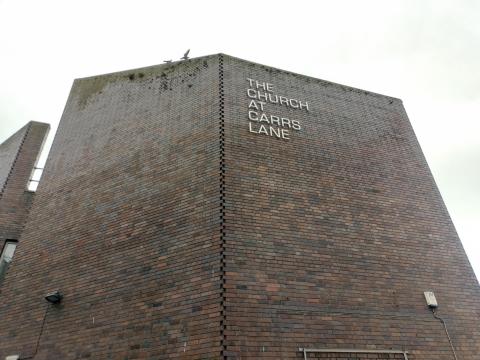
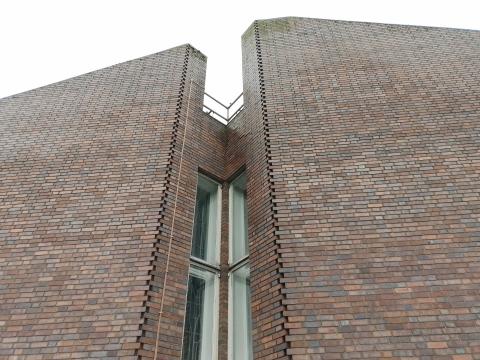
The Congregational Chapel at Birmingham’s Carr Lane was one of the most famous in the world during Victoria’s reign. Its current building, which dates from the late sixties/early seventies, is one of the ugliest you could imagine and, judging by its website and noticeboards, it is unattractive theologically, too. You know things are amiss when both ministers state their preferred pronouns ('He/Him', 'She/Hers'), along with all the usual guff about inclusivity, demonstrating an absorption of the prevailing, worldly wisdom. Truly, this church matches its dreary premises.
Its greatest pastor was R.W Dale (1829-1895), whose influential ministry here corresponded with British nonconformity’s zenith. Dale was a genuine believer, a powerful preacher and a faithful leader, and y he is surely one of the authors of its doom and the one who sowed the seeds of his own church’s demise. Along with Unitarian George Dawson, he developed the 'Civic Gospel', a Victorian version of the last century’s 'social gospel' which was preoccupied with providing free libraries, clean water and affordable gas to the working classes. All very laudable, of course, but not as pressing as the gospel of Christ. Dale still preached it, of course, but he presented a sideshow which became the main act. A few years before his death, he reminisced:
The time was when I used to have a smoke with him [Joseph Chamberlain, the Colonial Secretary], and J. H. Chamberlain, and Timmins, and the rest, as often as two or three times a week. The split of the Liberal Party has made an immense difference to my private life. There are two clubs and I belong to neither; I have friends on both sides, but the discussions that we had at the old Arts Club before the quarrel I look back upon with lasting regret.
Would you have known this was written by one of the age’s most prominent ministers of the gospel, who was considered to be on a par with C.H. Spurgeon? The legacy of a previous generation's persecution and political exile made many Victorian dissenting leaders desire the prestige of keeping the company of mayors, aldermen and Secretaries of State. I suspect that Dale is the principal character to receive Dr Martyn Lloyd-Jones' criticisms of the Victorian era's 'Pulpit Politicians' in The Puritans: Their Origins and Successors, which I am currently reading.
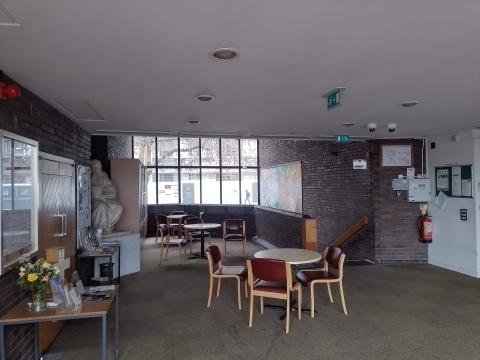
Robert Dale’s legacy is therefore a rather sad one, and his church’s current, ugly building a mere emblem of this. May we take heed, therefore, and not allow ourselves to become distracted by noble ambitions which are still things less than the gospel of Jesus Christ.
For I determined not to know any thing among you, save Jesus Christ, and him crucified. 1 Corinthians 2:2
- Log in to post comments

 Sunday Worship 10.45am & 6.00pm