
Hanseatic Booth, Whalsay
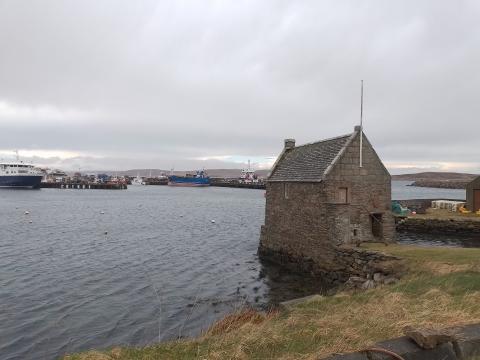
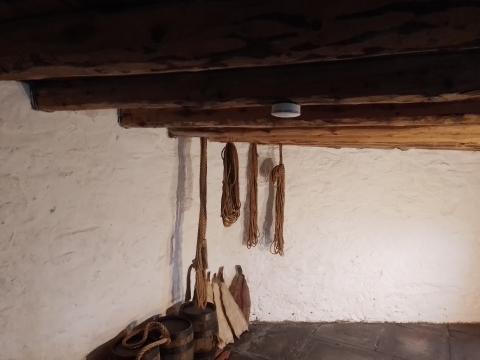
On the isle of Walsay in Shetland there is a rather curiously named Hanseatic Booth. Between the 15th and 17th centuries, Whalsay was a trading port of the Hanseatic League, which was a powerful commercial organisation of German merchants. Ships from Hamburg, Bremen and Lubeck sailed here every summer, bringing cloth, iron tools, salt, spirits, luxuries and hard cash in exchange for dried and salted fish. I guess Shetland fish were worth all that travel and danger! This little house or warehouse was their base of operation though attempts to actually date it have been unsuccessful.
International trade is good and proper in itself; when God divided us into nations, He surely intended that the different regions' natural resources and skills should be shared and swapped. My research earlier this year into the William Tyndale’s English New Testament, which was largely printed and distributed from Germanic countries, saw the Hanseatic Merchants plays a part in bringing gospel light to England’s shores. Although Lord Chancellor and Catholic saint, Sir Thomas More, searched their warehouses and threatened them, they quietly smuggled copies of God’s word - for a fee, of course.
Whether that powerful and intelligent organisation played a similar role in Shetland, too, there is little evidence. Fewer people would have been literate and the more conservative, ‘backward’ outlook of such northerly folk may not have made them aware, much less sympathetic, to the Continent’s reforming tide. Yet even up here, God may have been drawing men and women to Himself, creating in them a hunger for truth which the Old Church with its ceremonies and murmurings could not satisfy. Let us hope that this little booth once contained copies of God’s word and not just salted fish and European trinkets.
- Log in to post comments
 Sunday Worship 10.45am & 6.00pm