
Rochester Castle
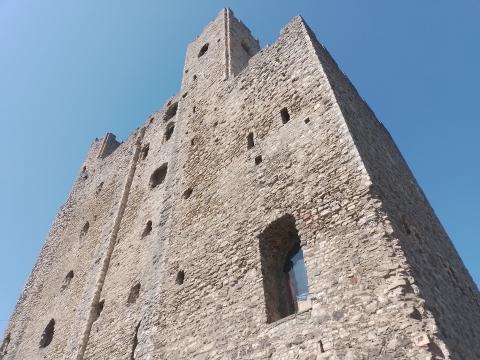
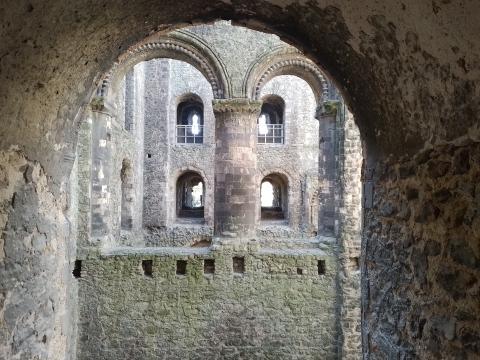
Rochester Castle keep is one of England’s medieval treasures; though largely ruinous, it remains grand and imposing. Charging tourists nearly ten pounds to see it, the current custodians revel in the site’s violent and turbulent history. In the 1200s it withstood three powerful sieges as the monarch and his barons wrestled to arrange a constitution acceptable to both. In 1215, it may have witnessed the most dramatic and formidable siege in English history.
Curiously, this mighty stronghold fell to the English peasants in their 1381 Revolt. Although the age of the castle was by that stage already waning and it may not have been adequately defended, it does demonstrate that ill-equipped, untrained men more used to hoeing the ground and tilling the soil could capture mighty strongholds. The Peasant’s Revolt ultimately failed, however, and the English working classes continued to be oppressed by their landowning betters for centuries to come. Nevertheless, they briefly had the power to trouble kings, terrify parliaments and capture castles.
In 2 Corinthians 10:3-5, Apostle Paul declares:
For though we walk in the flesh, we do not war after the flesh: (For the weapons of our warfare are not carnal, but mighty through God to the pulling down of strong holds;) Casting down imaginations, and every high thing that exalteth itself against the knowledge of God, and bringing into captivity every thought to the obedience of Christ…
If these ‘high things’ are powerful humans or, worse still, fallen angels, one wonders what hope we simple Christians have to engage them in warfare and subdue them. It is God who has the victory, of course, and our contributions are slight. We are but simple peasants in the eternal scheme of creation, and yet the Great King is pleased to use humble folk to capture, humble and disable these powerful and ungodly forces.
A D
- Log in to post comments
 Sunday Worship 10.45am & 6.00pm