
St Nicholas' Holy Bones
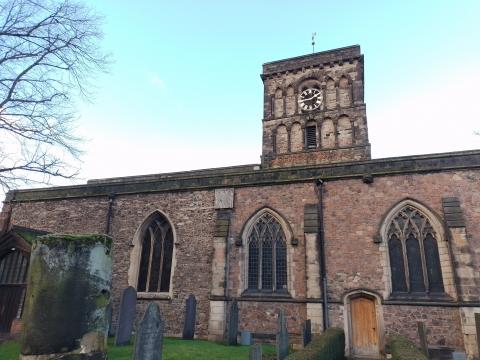
St Nicholas Church in Leicester appears to be Anglo-Saxon in origin, with some of their typical masonry observable in the tower. The insides, though locked when I called, show rounded arches and a structure of great vintage. To think that it survived the invasions of the Danes and Normans, as well as the sixteenth and seventeeth century Reformation and the secularisation of the twentieth, is remarkable. I consider it sad, therefore, that it ‘fell’ to progressive theology in the twenty-first; rainbow-coloured flags are photographed within and Pride Progress stickers decorate its noticeboards without. In a university city, of course, this is highly fashionable, and applauded by an unbelieving world, but a fall it is. Heterodoxy in ethics and our understanding of human nature betrays a heterodoxy of theology and a disavowal of God’s word.

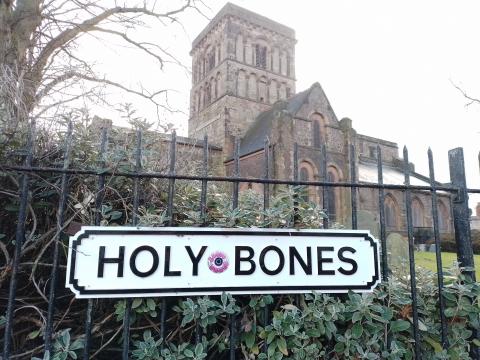
Peculiarly, the road to its rear is called Holy Bones. Some have suggested that a temple to Janus once occupied the site, the Roman god after whom January is named, with his two faces looking in opposite directions. The Roman baths’ remains border the church’s western boundary. A former dedication to a two-faced god might seem appropriate for a church which talks of Christ but essentially looks the other way.
It might also remind us of the Lord Jesus’ scathing assessment of the religious leaders of His own day. While swishing round in their flowing, religious vestments, they put human traditions ahead of God’s word. He consequently called them ”whitewashed tombs”, for they were pious on the outside but full of sin and death within. ‘Unholy bones’ might be a better description.
Woe unto you, scribes and Pharisees, hypocrites! for ye are like unto whited sepulchres, which indeed appear beautiful outward, but are within full of dead men's bones, and of all uncleanness. Matthew 23:27
A D
- Log in to post comments
 Sunday Worship 10.45am & 6.00pm