
York House, Twickenham
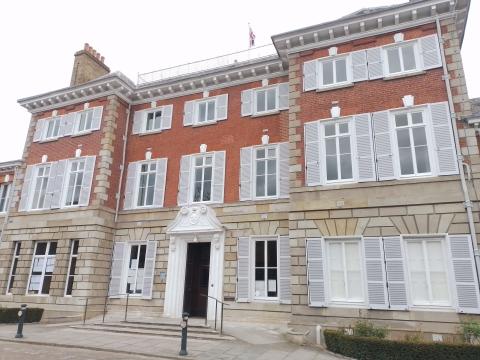
I assumed that York House in Twickenham had some connections to former dukes of York, but it was actually owned by the Yorke family, a possible branch of which still owns estates not far from our chapel. Although the pile is less interesting than I first imagined, its famous gardens stealing what available limelight there is, my basic research showed that it once belonged to two very different families before and after the British civil wars. In 1640, it became the property of Edward Montagu, Earl of Manchester, in 1656. In 1661, it was acquired by the family Edward Hyde, Earl of Clarendon, the new Lord Chancellor who bitterly persecuted the puritans and after whom the dreadful Clarendon Code was named. Montague, as a convinced puritan, Presbyterian and parliamentary general, must have noted the irony of selling it to the Hyde family with their vengeful, Prayer Book Anglicanism. Both forms of Christianity were weakened by later centuries’ liberalism, and the house is now owned by the local council at a time when English local authorities are famous for their secularism and anti-Christian bias.
This grand house would have bestowed an honour and dignity on any who called it their home, yet it could not be retained, and opponents and rivals soon snapped it up. Writes Solomon in Proverbs 23:5:
Wilt thou set thine eyes upon that which is not? For riches certainly make themselves wings; they fly away as an eagle toward heaven.
What you own, you cannot keep. Worse, people you may not like or respect might well acquire them. Only Christ Himself is the treasure worth grasping and clinging to.
A D
- Log in to post comments
 Sunday Worship 10.45am & 6.00pm